Why this matters before any spec sheet
A pharmacy-channel buyer needs to dispense the same product, batch after batch, to the same patient on a standing prescription. The thing that decides whether that promise holds isn't the post-harvest packaging or the lab PDF — it is the cultivation method that decided what was in the plant before harvest. Aeroponic cultivation is one of the methods that gives that promise its strongest answer.
If you're an Australian importer evaluating Thai-origin supply and your supplier's cultivation method is "indoor" or "hybrid greenhouse" without further description, you're trusting them on the most consequential decision in the entire chain. The conversation that turns a supplier into a credible long-term partner starts with what the cultivation method actually is and why it was chosen.
What aeroponic cultivation actually is
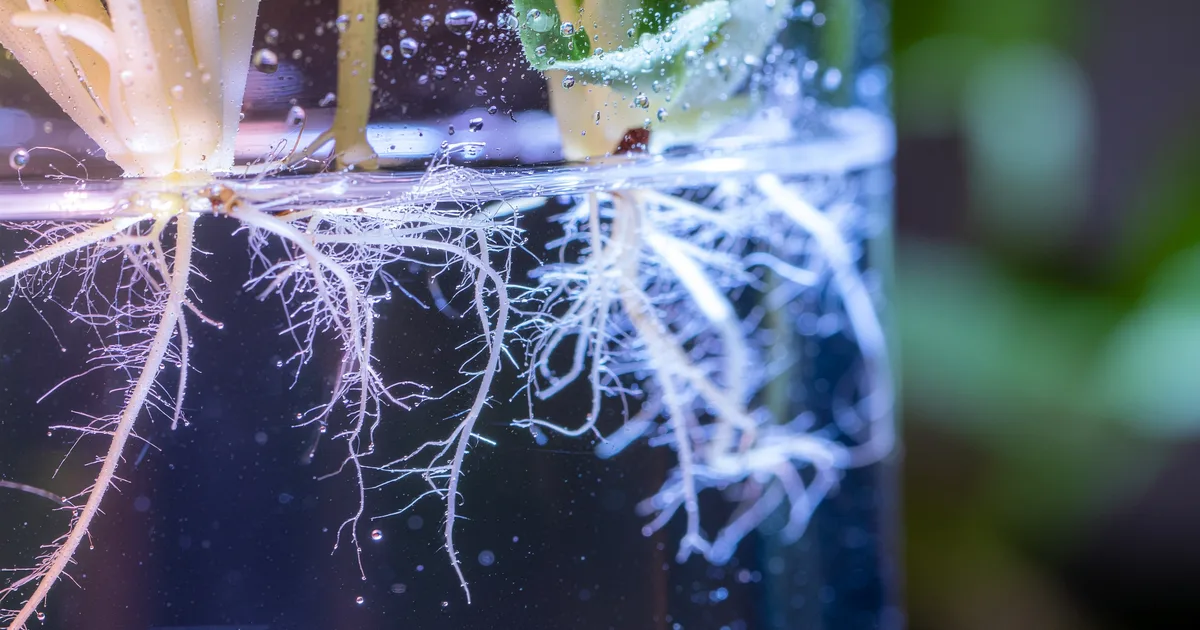
Aeroponic cultivation suspends the root system in a sealed chamber. Roots receive water, nutrients, and oxygen through a fine misted spray — not through soil, not through a flooded substrate, not through media pots. The plant is held by a collar at the canopy line; everything below is air, mist, and a controlled nutrient solution.
The standard alternatives produce material in different ways. Soil cultivation grows plants in agricultural media — the most familiar method, but the most variable in microbial profile and nutrient delivery. Hydroponic cultivation grows roots in a flooded substrate (rockwool, coco coir, perlite) or in a recirculating water bath — better than soil for precision, but still introduces a substrate that can host contamination. Aeroponic removes the substrate entirely.
Why aeroponic matters for medical-grade output
Three properties of substrate-free root suspension matter to a medical-grade producer:
- Contamination floor. Substrate hosts microbes. Eliminating substrate eliminates the most common contamination vector before it can establish. For pharmacy-channel buyers whose batches must meet a microbial CFU threshold per Australian and EU medicinal standards, this is a structural advantage — not a process you have to police.
- Nutrient-delivery precision. The nutrient solution is dosed by ppm and delivered as a fine mist. Roots take what they need; surplus is collected, filtered, and recirculated. This makes plant nutrition repeatable — batch n+1 receives the same chemistry as batch n. Repeatable nutrition translates to repeatable terpene biosynthesis, which translates to a recognisable strain experience for the patient at the end of the chain.
- Water efficiency. Aeroponic uses 70–95% less water than soil cultivation for equivalent yield. For German and Swiss importers whose buyers ask about ESG disclosure load — and increasingly for Australian distributors whose corporate reports must address sustainability — this matters more than it did five years ago.
How aeroponic fits within TH-GACP discipline
TH-GACP does not prescribe the cultivation method. It prescribes the documentation, hygiene, traceability, and pest-management discipline a cultivation site must demonstrate. Aeroponic operations can be TH-GACP aligned — and should be, because without TH-GACP there is no credible path to Australian or European medical channels — and they should also be auditable against the operational logs the standard requires.
What aeroponic adds, when it is done seriously, is a structural reduction in the failure modes TH-GACP is most often invoked to catch. Substrate-free means no soil-borne pathogens. Recirculating, filtered nutrient solutions mean no irrigation-water contamination. Sealed root chambers mean restricted access to the most vulnerable part of the plant. These are not marketing claims; they are cultivation-design decisions an importer's RA team can verify by walking the room.
Documents to request before signing
For an Australian importer evaluating a Thai supplier whose stated method is aeroponic, ask for:
- Aeroponic system documentation — chamber design, misting cycle frequency, nutrient solution recipe by growth phase, filtration and sterilisation cadence.
- Microbial test history — a 6-month rolling history of CFU counts by batch. Aeroponic should show low and steady, not occasional spikes.
- Water and nutrient-solution audit — source water analysis, dosing logs, filter-change frequency, biofilm management protocol.
- Yield-to-input ratios — kilograms of dried flower per kilogram of nutrient solution consumed, per litre of water used. These figures expose process discipline more honestly than any certification logo.
- Strain consistency evidence — terpene-profile COA from three consecutive batches of the same strain. Aeroponic done well produces tight clusters across these three batches.
What this means commercially
Aeroponic is not a marketing claim worth more than soil cultivation by default. Done casually, it is expensive and brittle. Done seriously — with the documentation discipline above, paired with TH-GACP, audited by an importer-side RA team — it becomes the cultivation foundation that a pharmacy-channel commitment can actually rest on.
For an Australian importer whose distributor partners care about batch-to-batch reproducibility, this is the difference between a Thai-origin pitch you can use and one you would rather not stake your supplier of record on. The line between medical-grade and craft-grade cultivation shows up here first — long before it shows up in the COA.
Talk to us
If you want to understand how aeroponic cultivation factors into our supplier-evaluation discipline — and what documentation our cultivation network can share — the simplest path is a short WhatsApp conversation. We don't ask for an LOI before discussing system documentation, microbial test history, and water-and-nutrient audit logs, because the patient at the end of this supply line is the only stakeholder who can't ask the question themselves, and we would rather you have the evidence to ask it on their behalf.